Statut en temps réel de votre commande et de votre livraison.
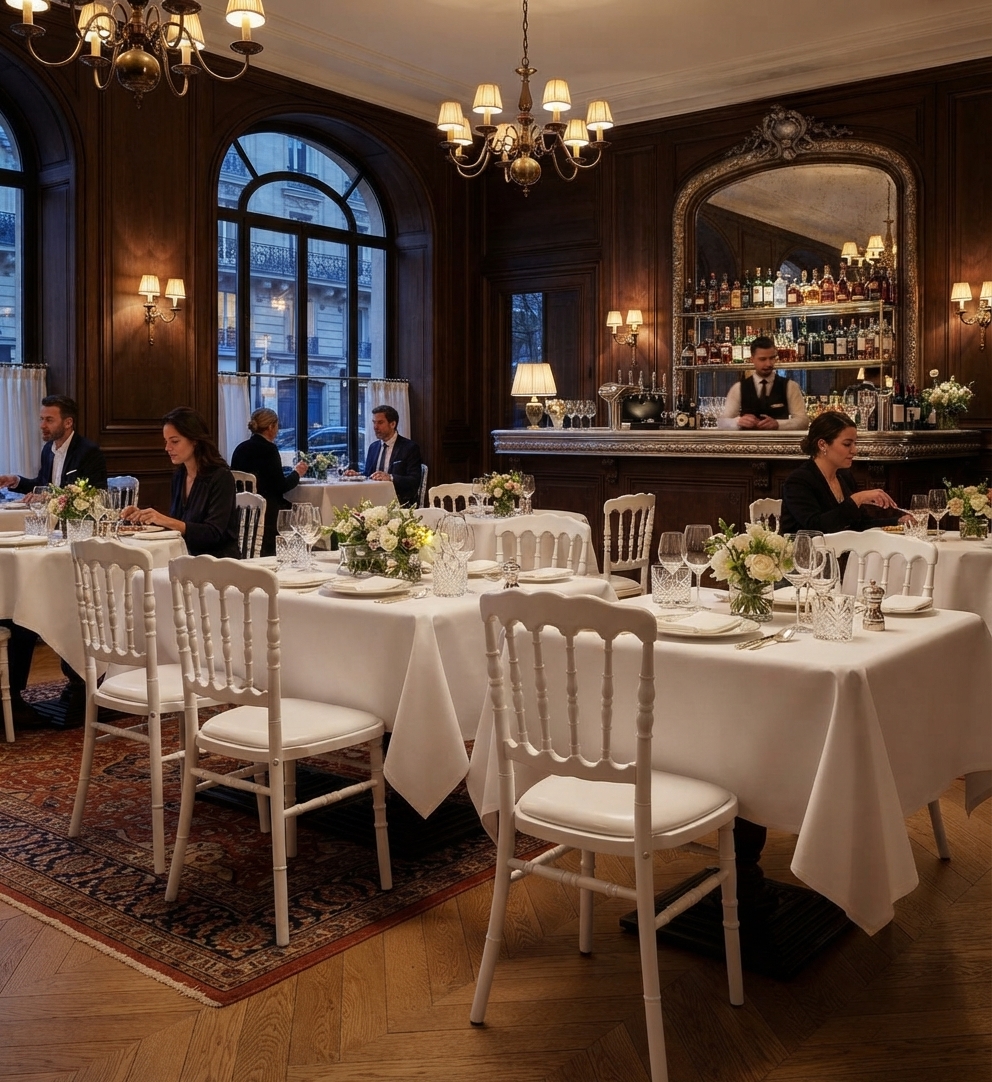
The professional chair covers very different needs depending on the sector: a restaurant dining room serving customers every evening doesn't have the same requirements as a wedding reception set up for a single evening. This range brings together seating built for heavy use in restaurants, bars, seminar rooms, ceremonies and event receptions, with levels of durability, comfort and ease of handling matched to each context. Restaurateurs, caterers, event organisers and furniture hire companies will find stackable, folding and fixed models, in solid wood or lightweight frames, chosen to withstand repeated handling without losing comfort or looks.
In a restaurant dining room or behind a bar counter, a chair needs to cope with intensive daily use: reinforced seats and legs, easy-clean upholstery, and stability even on an uneven floor. A professional bar stool is also chosen according to counter height and how quickly customers turn over, two factors that weigh as heavily as looks in the buying decision.
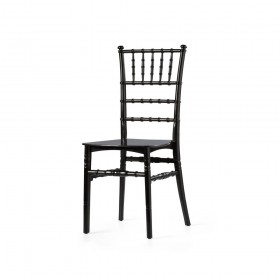
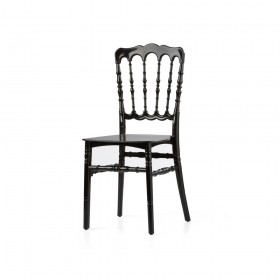
For wedding receptions and ceremonies, the emphasis shifts towards elegance and visual consistency across the room: a classic-design wedding chair brings a timeless line that works with floral decor and reception furniture, while staying light enough to move and stack quickly between events.
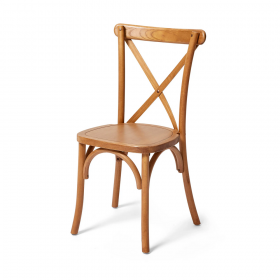
The range covers solid wood, valued for its lasting quality and warm finish, as well as folding or stackable frames designed for storage between hires. Each format answers a different need: the classic solid wood chair suits a fixed room, while a folding model is built for frequent building up and taking down.
Covers, cushions and upholstery colours let the same chair frame adapt to very different settings, from a gala dinner to an outdoor civil ceremony. This level of customisation avoids having to invest in an entirely separate set of furniture for each type of event, while keeping seating comfort consistent throughout the evening.
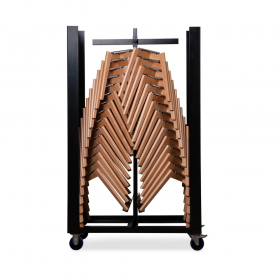
Beyond the seat itself, ease of transport determines how profitable an event chair stock really is: a large volume to move between rooms or venues means trolleys and stacked storage need to be considered from the outset, to cut handling time between each event.
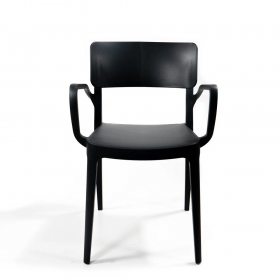
A professional restaurant chair goes through thousands of services: it must stay stable, quiet and presentable for years. Our hospitality seating is selected for its sturdiness, easy care and genuine comfort, the kind that encourages customers to linger over their meal.
The professional bar stool and brasserie bench complete the room: heights matched to your counters and high tables, materials that outlast fashions and seasons.
Weddings, conferences, seminars: events demand elegant seating that sets up and packs away fast. Our ceremony chairs and utility folding chairs stack neatly, move on dedicated trolleys and withstand repeated set-ups without weakening.
Caterers, hire companies and venues save precious time at every event, with a consistent fleet of seating that enhances every room and every layout.
The choice depends on the use case: for an 8-hour-a-day workstation, opt for an ergonomic office chair with synchronised mechanism and lumbar support (EN 1335 standard). For reception and visitor areas, choose visitor chairs with cantilever or four-leg frames. Meeting and conference rooms call for stable, comfortable seating, while waiting areas, canteens and multipurpose halls require stackable chairs that store away compactly. Each family matches a specific usage frequency and comfort level, so define your room and traffic before selecting.
Yes. You select the upholstery to suit the use: abrasion-resistant polyester fabric for meeting rooms, breathable mesh backrests for intensive workstations, or wipe-clean faux leather for reception and catering. For public-access buildings (ERP), specify fabric rated M1 fire class. The upholstery colour, frame finish (chromed steel, black epoxy or polished aluminium) and armrest detailing all match your brand identity. Above a certain volume, bespoke colours and logo branding are available to harmonise your entire furniture range across offices, waiting areas and canteens.
The price depends on the category and specification. A stackable visitor chair with a steel frame is the most economical option, ideal for canteens and waiting areas in high volumes. An ergonomic office chair certified to EN 1335, with synchronised mechanism, mesh back and adjustable armrests, sits in the mid-to-premium range. Price drivers include the quality of the upholstery (fabric, mesh, leather), available adjustments, frame robustness and M1 fire rating. Bulk orders to equip an open-plan office or conference room benefit from volume discounts at direct factory pricing.
Standard in-stock models (ergonomic office chairs, visitor chairs and standard stackable chairs) are dispatched within 1 to 2 weeks. For high-volume orders to equip an open-plan office, conference room or canteen, allow a few extra days for picking and transport. Custom versions (bespoke fabric, mesh or leather upholstery, specific colour, logo branding, M1 fire rating) require a longer lead time tied to manufacturing. We always confirm the dispatch date at the point of order to secure the fit-out schedule for your professional premises and keep your project on track.
Our chairs are warranted for intensive professional use, with a service life of 10 to 15 years on ergonomic office models certified to EN 1335 level A. Durability rests on a load-tested steel or aluminium frame, proven synchronised mechanisms and abrasion-resistant upholstery. Stackable chairs keep their stability after thousands of stacking cycles in canteens or waiting areas. The warranty covers manufacturing and mechanism defects; correct use and appropriate cleaning of the fabric or mesh significantly extend the working life of the seating across offices, meeting rooms and visitor areas.
The choice depends on the intensity of use and the atmosphere. For a restaurant or brasserie, favour a sturdy, easy-to-clean chair that is often stackable. For a reception or ceremony, elegance and quick setup matter most, with folding, transportable models. For a welcome area or waiting room, comfort and durability under continuous footfall are what count.
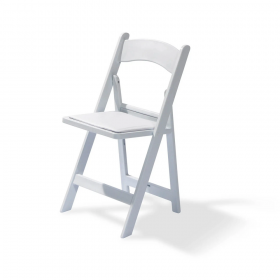
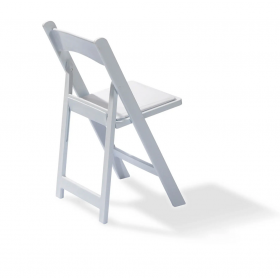
The hospitality chair is designed for permanent daily use in a dining room: reinforced frame, easy upkeep, often stackable. The ceremony chair meets a one-off but recurring need for setup and take-down: it relies on a neat silhouette, light weight and stackability to equip weddings and seminars. The two ranges complement each other depending on whether the seating stays in place or moves from one event to another.
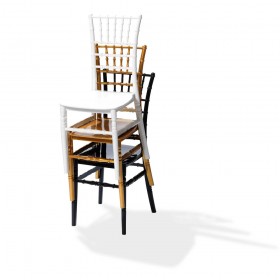
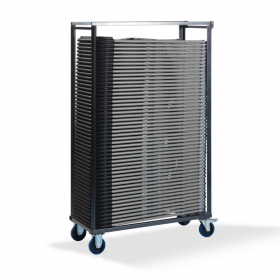
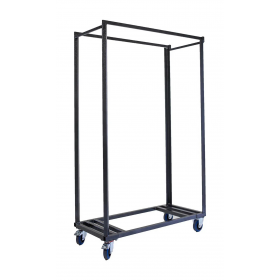
Many models in our range are stackable, making it easier to store, clean floors and reconfigure the room. For larger stocks, dedicated transport trolleys allow several chairs to be moved at once, reducing effort and the risk of knocks. This is a major logistical advantage for caterers, hire companies and reception venues.
Seat height should be chosen according to the height of the worktop: a bar counter and a high cocktail table do not call for the same dimension. Ideally, leave a comfortable gap between the seat and the underside of the tabletop, and provide a footrest. Our product sheets give the available heights for each model to help match stools to counters.
Can't find the answer to your question ?
Replacing a stock of professional chairs is rarely a snap decision: it responds to visible wear on ageing furniture, a change in a venue's concept, or the growth of an event hire business that needs a consistent, presentable stock. Before investing, it's worth separating out two very different patterns of use. A restaurant dining room or bar counter puts the same chairs through daily use, calling for a reinforced frame and materials that stand up to repeated rubbing without looking worn within months. A stock dedicated to weddings and receptions, by contrast, is used more occasionally but gets transported, stacked and stored far more often, which shifts the buying criteria towards weight, manoeuvrability and resistance to knocks from handling rather than resistance to daily use.
A caterer or hire company running several events a week benefits from investing in robust stackable chairs, backed up by dedicated transport trolleys that cut loading time and reduce the individual handling that causes breakages. An occasional operator running two or three events a season can instead favour a more visually refined model, accepting slower handling since the volume involved stays low.
How long a professional chair lasts depends directly on storage conditions between uses: careless stacking puts strain on seat and leg joints, just as outdoor or damp storage speeds up the deterioration of solid wood or fabric upholstery. Regular cleaning of covers and cushions, together with periodic checks on leg stability, noticeably extends the service life of a heavily used event furniture stock.
The first mistake is choosing a model purely on looks without checking how well it actually stacks, which then complicates day-to-day storage and transport. The second is underestimating the need for handling accessories: without a dedicated transport trolley, every move needs more staff and lengthens room setup time. Finally, mixing several chair ranges in the same room hurts the visual consistency guests notice, whereas a single range, finished off with matching cushions, gives an impression of considered, professional furnishing.
The storage space available between events shapes the choice of model just as much as seating comfort: a frame that stacks high on a small footprint makes it far easier to organise a storage area shared between several types of event furniture. A solid wood model, harder to stack densely, calls for some thought about the storage space genuinely available before building up a large stock, or it risks taking up a disproportionate amount of room compared with the rest of the event equipment.
The pace at which a stock of professional chairs gets renewed rarely follows a fixed schedule: it's usually triggered by concrete signs of wear, creaking joints, irreversibly stained upholstery, or legs that lose stability after hundreds of stacking cycles. Renewing stock in small waves, rather than waiting for a complete and costly replacement of the whole set, spreads the investment over time while keeping enough visual consistency between the newest and oldest chairs.
Finally, catering and hospitality venues face floor compliance and stability requirements that more mobile event businesses don't have to manage in the same way. A venue serving the public every day should prioritise structural robustness over any aesthetic consideration, while an event professional needs to think first in terms of cost of ownership per event, transport and storage included.
Active filters: